
Dry Ice Blasting for Fire Damage & Mould Remediation in Adelaide
WILS Restoration & Cleaning Services provides professional dry ice blasting in Adelaide for fire-damaged and mould-affected properties.
We help property owners, insurers, and builders:
- Remove soot, smoke residue, and carbon contamination
- Eliminate mould growth from structural materials
- Reduce demolition and restoration costs
- Restore properties faster and more efficiently
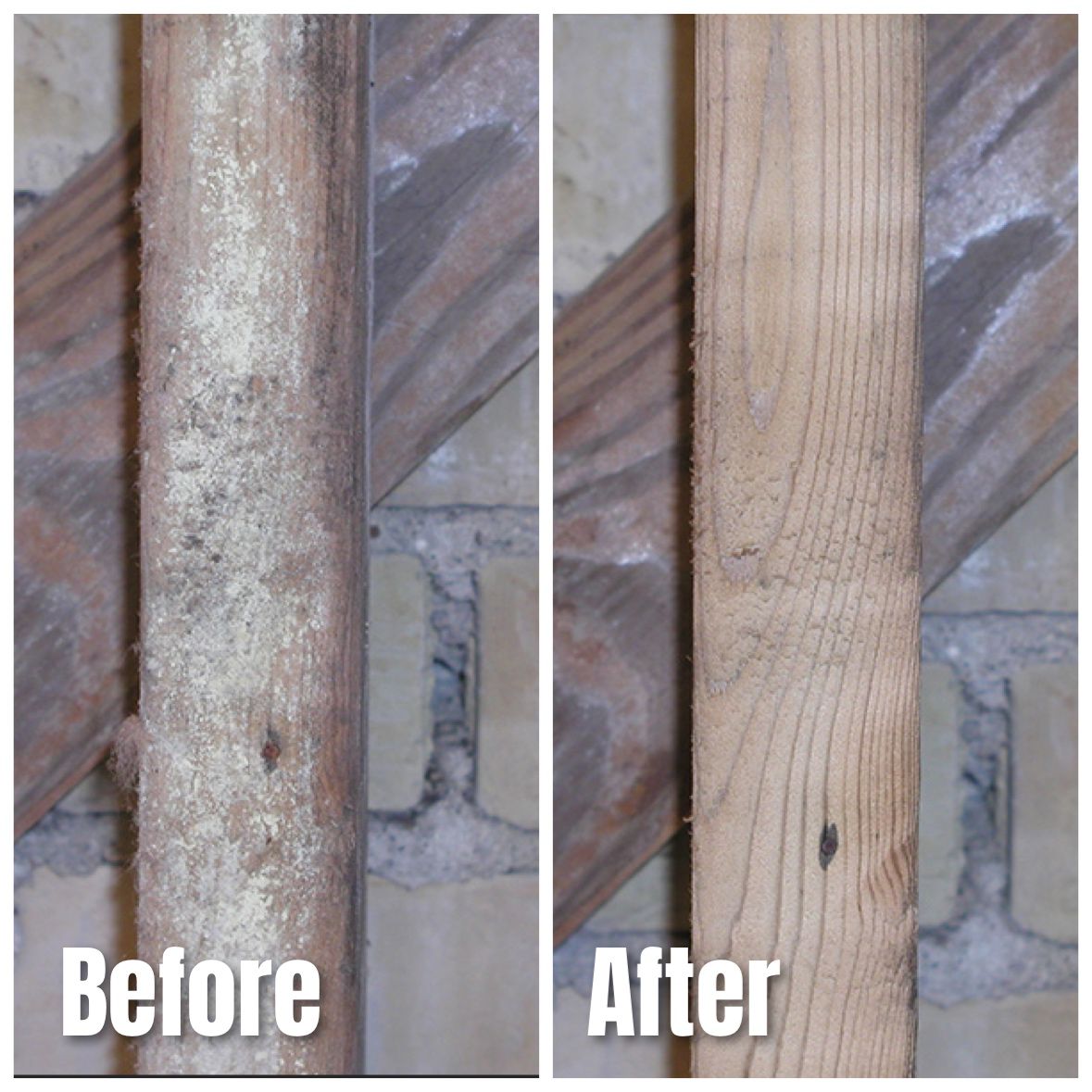
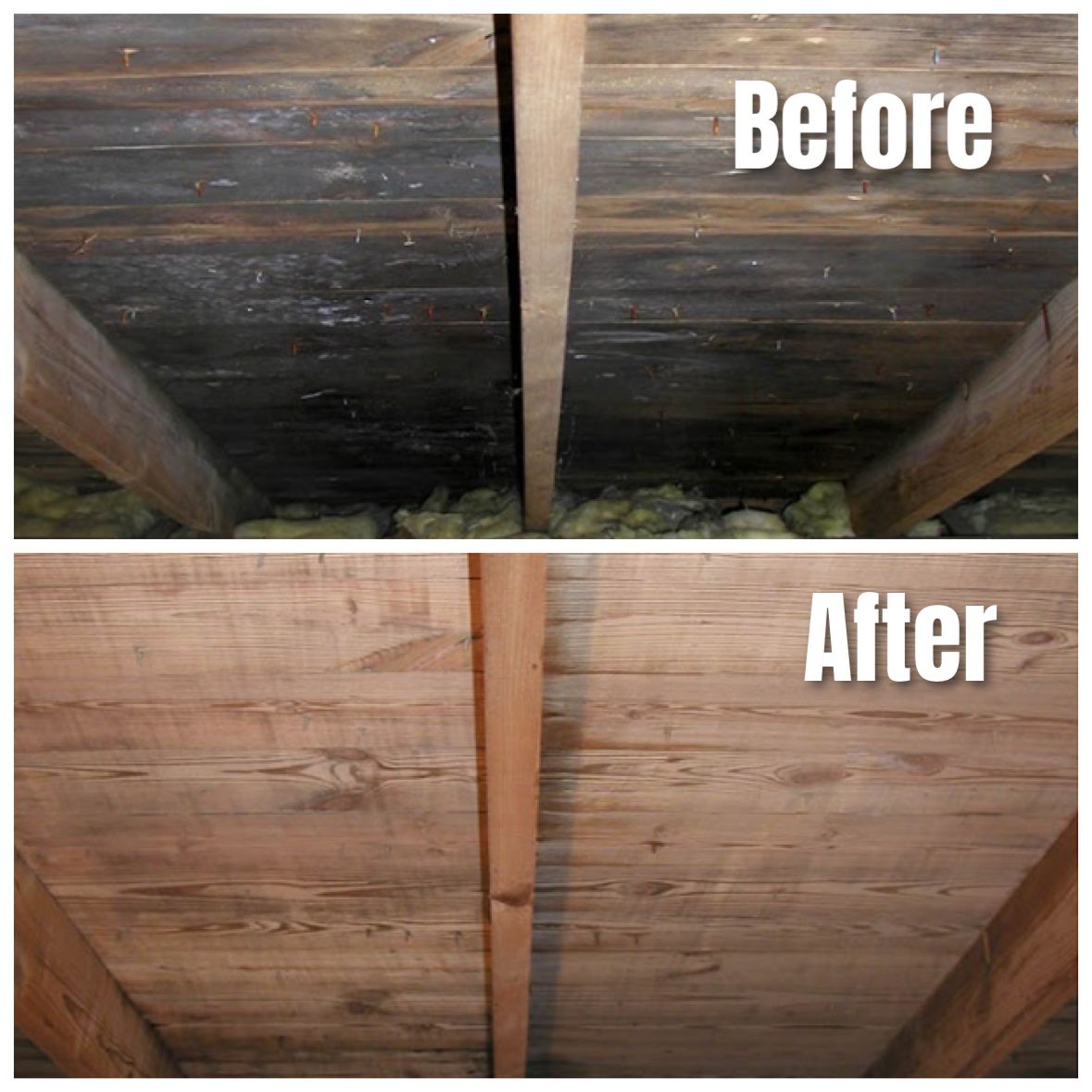
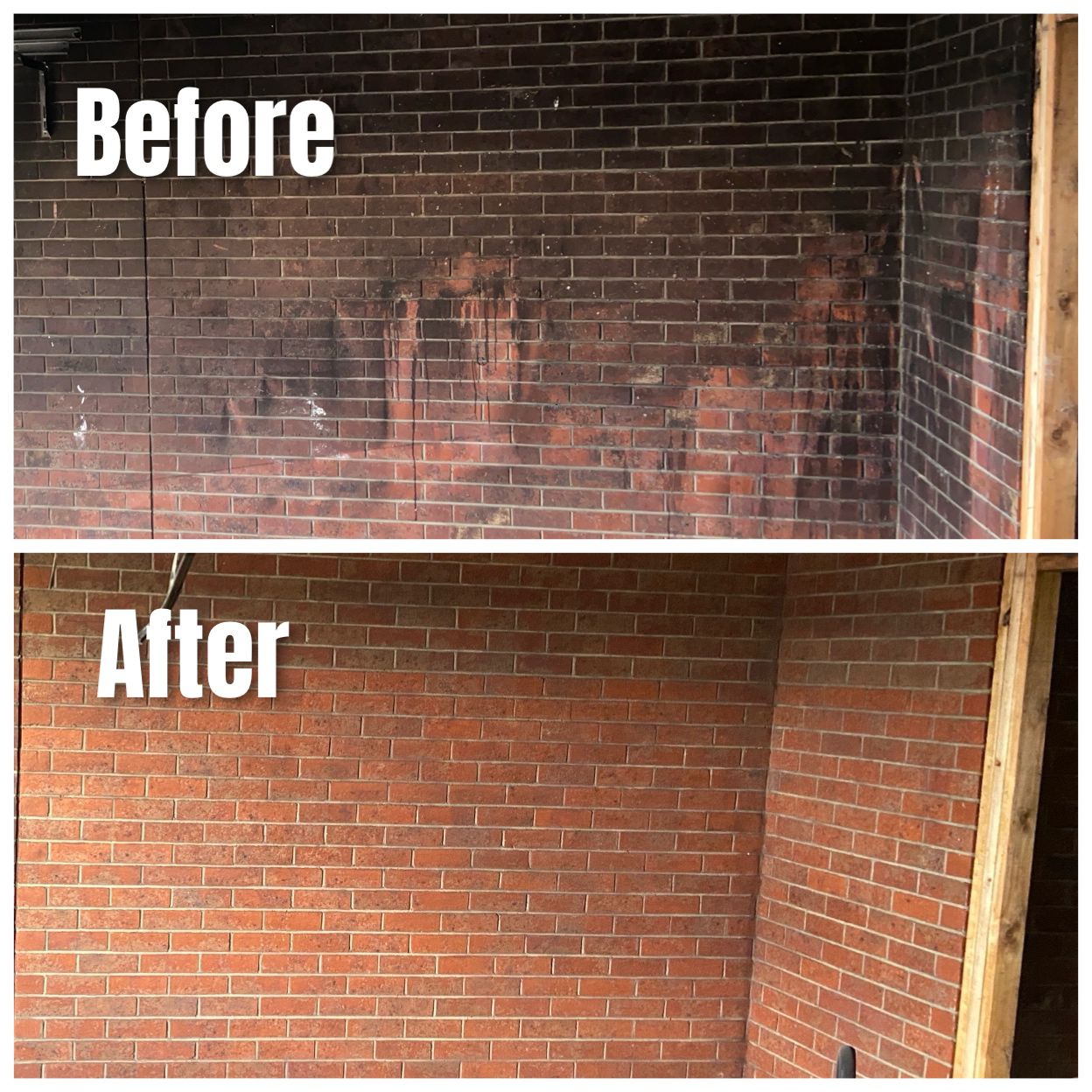
Our process is designed for safe, non-abrasive cleaning of structural surfaces, including timber, brick, and roof cavities.
What is Dry Ice Blasting? (Fire & Mould Cleaning Explained)
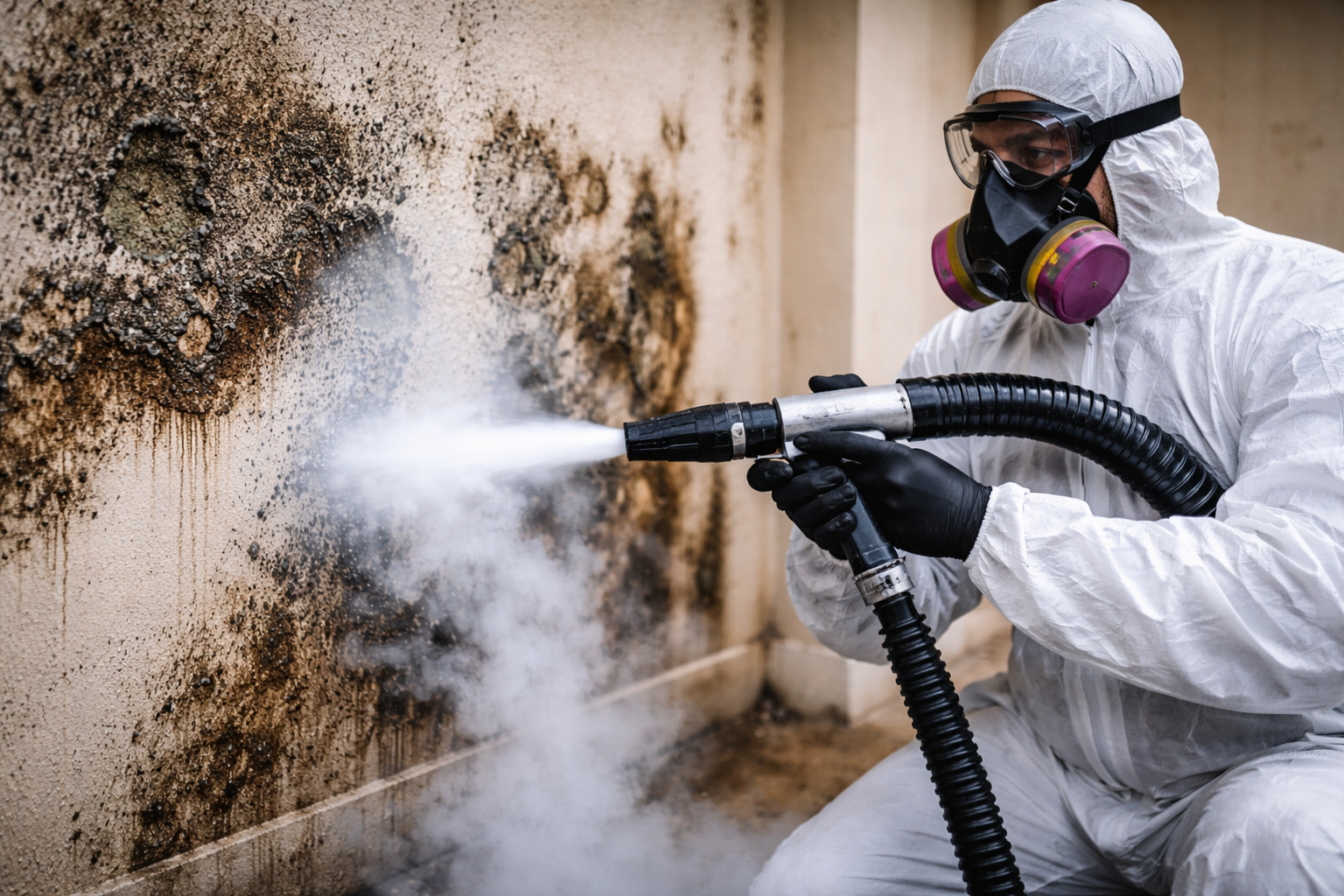
Dry ice blasting is an advanced cleaning method using compressed air and solid CO₂ pellets.
When applied:
- Contaminants are lifted from surfaces
- Pellets sublimate instantly into gas
- No moisture or residue remains
No water (prevents mould spread)
No chemicals (safe for indoor environments)
No secondary waste
This makes it one of the most effective fire damage cleaning methods in Adelaide.
Fire Damage Restoration Using Dry Ice Blasting
Soot & Smoke Removal from Structural Materials
Timber framing and beams
Brick and concrete surfaces
Roof cavities and subfloors
Smoke Odour Removal (Source Elimination)
Unlike surface cleaning, dry ice blasting removes the source of odours embedded in materials.
Reduce Demolition After Fire Damage
Dry ice blasting allows:
Retention of structural materials
Lower rebuild costs
Faster insurance approvals
Mould Removal Using Dry Ice Blasting (Adelaide)
Effective Mould Removal from Timber & Structural Areas
Roof cavities
Wall cavities
Subfloors
Mould Remediation in Line with Industry Standards
Our process aligns with:
IICRC S520 mould remediation guidelines
Use of containment systems
HEPA air filtration and air scrubbers
Benefits of Dry Ice Blasting for Fire & Mould Damage

Non-Abrasive Cleaning for Structural Surfaces
Protects timber, brick, and sensitive materials.
Moisture-Free Mould Removal
Prevents further contamination during cleaning.
Faster Restoration Timeframes
Reduces labour-intensive manual cleaning.
Lower Overall Restoration Costs
Minimises demolition and rebuild scope.
Why Choose WILS for Dry Ice Blasting in Adelaide
IICRC-certified restoration technicians
Specialists in fire damage restoration and mould remediation
Detailed reporting for insurers (Sedgwick, builders, assessors)
Advanced dry ice blasting technology
Servicing all Adelaide and South Australia
Service Areas – Adelaide & South Australia
We provide dry ice blasting services across:
Adelaide CBD
Regional South Australia
Get a Quote – Dry Ice Blasting Adelaide
Need urgent fire damage cleaning or mould removal? Contact WILS Restoration today for a fast inspection and detailed quote.
Frequently Asked Questions – Dry Ice Blasting Adelaide
How much does dry ice blasting cost in Adelaide?
Costs typically range depending on:
- Size of affected area
- Level of soot or mould contamination
- Access (roof cavities, tight spaces)
We provide detailed quotes after inspection.
Is dry ice blasting the best method for fire damage cleaning?
Yes. It is one of the most effective methods for removing soot and smoke contamination from structural materials.
Can dry ice blasting replace demolition after a fire?
In many cases, yes. It allows restoration instead of removal, reducing costs.
Is dry ice blasting effective for mould removal?
Yes. It removes mould from timber and structural surfaces without introducing moisture.
Will mould come back after dry ice blasting?
Only if moisture issues are not resolved. We provide guidance on preventing regrowth.
Can dry ice blasting be used in roof cavities?
Yes. It is ideal for confined and difficult-to-access spaces.
Does the process spread mould or soot?
No. Proper containment and HEPA filtration prevent cross-contamination.
Can dry ice blasting remove smoke odours completely?
It removes the source of odours. Additional deodorisation may be applied if needed.
How long does fire damage restoration take?
Depends on severity, but it is significantly faster than traditional cleaning methods.